
Services Offered by Timber Valley Cabins:
Click Below to Jump to Services
Log Replacement & Log Repair
Log replacement and log repair are essential maintenance tasks that can dramatically transform the look, feel, and structural integrity of your log home. Over time, exposure to the elements—moisture, insects, UV rays, and temperature fluctuations—can cause logs to rot, crack, or deteriorate. Without proper care, this damage can spread, compromising not only the aesthetics of your home but also its safety and insulation. Fortunately, professional log replacement and repair services by Timber Valley Cabins in Salem, Missouri can reverse these effects and breathe new life into your log home.
Log repair involves addressing surface damage, such as cracks, splits, or minor rot, often using epoxy fillers, sealants, or splicing techniques. These methods restore the log’s appearance while preserving its original character. For more extensive damage, full log replacement may be necessary. This process involves carefully removing the damaged log and replacing it with a new, custom-milled log that matches the existing structure in size, shape, and species. When done correctly, the repair or replacement blends seamlessly with the original construction, making it nearly impossible to tell where the new log begins and the old one ends.

Beyond the cosmetic improvements, repairing or replacing damaged logs greatly enhances the energy efficiency and structural soundness of your log home. Replacing rotted or infested wood can eliminate potential entry points for pests and reduce drafts, making your home more comfortable and easier to heat and cool. It also protects your investment, increasing property value and extending the life of your home.
In essence, log replacement and repair are not just maintenance—they’re rejuvenation. They restore the natural beauty of your log home while ensuring it remains safe, efficient, and enjoyable for decades to come. With skilled craftsmanship, like Timber Vally Cabins, and the right materials, your aging log home can look and perform like new again.
Media Blasting
Media blasting like what Timber Valley Cabins offers, is a highly effective method for cleaning and restoring the surface of log homes. Over time, logs accumulate dirt, mold, mildew, old stain, and UV damage, all of which dull their appearance and can lead to deeper structural issues if left untreated. Media blasting uses a stream of abrasive materials—such as crushed glass, corn cob, walnut shells, or baking soda—propelled by compressed air to gently strip away these layers without damaging the logs.
This process is especially popular among homeowners looking to remove old finishes in preparation for restaining or sealing. Media blasting is a dry method, which reduces the risk of introducing moisture into the logs. This is crucial because excess water can lead to rot or promote mold growth inside the wood. Media blasting not only cleans the surface but also opens the wood grain slightly, allowing new stains and sealants to penetrate more deeply and adhere better, ensuring longer-lasting protection.
The result is a fresh, clean, and even surface that reveals the natural beauty of the logs. It’s an ideal first step in a full restoration project, revitalizing weathered wood and preparing your log home for years of durability and visual appeal. While it should be performed by experienced professionals like Timber Valley Cabins to avoid gouging or uneven wear, when done right, media blasting is one of the best ways to extend the life and appearance of your log home. It’s an investment in both preservation and aesthetics.
Caulking & Chinking
Caulking and chinking are vital components of log home repair, serving both functional and aesthetic purposes. Over time, the joints between logs can shrink, crack, or separate due to settling, weather exposure, and temperature fluctuations. These gaps allow air, moisture, and pests to enter, which can lead to drafts, rot, and increased energy costs. Applying fresh caulking or chinking seals these spaces, restoring the protective barrier your log home needs.
Caulking is typically used in smaller gaps and areas where flexibility is key. Modern log home caulks are made from elastic materials that expand and contract with the logs, preventing future cracking or pulling away. Chinking, on the other hand, is used in larger gaps and has a more traditional look. Today’s synthetic chinking materials mimic the old mortar-based mixtures but offer superior adhesion, flexibility, and weather resistance.

Repairing log joints with caulking and chinking not only improves the energy efficiency of your home but also enhances its visual appeal. Clean, uniform lines give your log home a well-maintained, polished appearance. These repairs also help to prevent water infiltration, which is critical for preserving the structural integrity of the logs.
Whether used as part of regular maintenance or a larger restoration project, proper caulking and chinking extend the life of your log home. When applied correctly by professionals, like Timber Valley Cabins in Salem Missouri, these materials bond securely and last for years, ensuring your home remains cozy, protected, and beautiful throughout all seasons.
Decay & Mold Treatment
Decay and mold are two of the most common and destructive issues facing log homes. Left untreated, they can compromise both the beauty and structural integrity of the wood. Decay, often caused by moisture intrusion, leads to soft, crumbling logs that lose their strength over time. Mold, on the other hand, not only stains the surface but can also release spores that affect indoor air quality and health.
Effective decay and mold treatment begins with identifying the source of moisture. This could be due to poor drainage, leaking gutters, or inadequate sealing between logs. Once the source is addressed, the affected areas must be cleaned and treated. For mold, professional-grade cleaners or biocides are used to kill the spores and remove discoloration. Sanding or media blasting may be necessary to fully remove deeply embedded mold stains.
Decay treatment often involves removing the rotten portions of the logs and repairing them with epoxy fillers or replacing the damaged wood entirely. After repairs, applying a borate-based preservative helps prevent further fungal growth and decay. These treatments penetrate the wood and offer long-lasting protection against future moisture and insect damage.
Once cleaned and treated, sealing the logs with a high-quality stain and water-repellent finish is essential to protect against future problems. Regular inspections and maintenance will help catch early signs of decay and mold, saving time and money in the long run.
With proper treatment and care, even log homes affected by decay and mold can be restored to their original strength and beauty. Timber Valley Cabins will be happy to speak with you today about how we can help you in Salem, Missouri and the surrounding areas with our log home decay and mold treatment services.
Staining & Restaining
Staining and restaining are essential steps in preserving the natural beauty and durability of a log home. Unlike traditional siding, log walls are directly exposed to the elements—sun, rain, wind, and snow—which can cause the wood to fade, crack, or absorb moisture if left unprotected. A high-quality stain such as Sansin acts as a barrier against UV rays and water infiltration while enhancing the rich, warm tones of the wood.
Staining a new log home should be done soon after construction, using a product specifically formulated for logs. These stains penetrate deep into the wood, protecting it from the inside out while allowing it to breathe. Transparent or semi-transparent stains are popular choices because they highlight the grain and texture of the logs while still offering strong protection.
Over time, even the best stain will wear down. Timber Valley Cabins, located in Salem Missouri, typically recommends restaining every 3–5 years, depending on climate and sun exposure. Before restaining, the logs should be cleaned thoroughly—often with media blasting or pressure washing—to remove dirt, mildew, and remnants of the old stain. This ensures the new coat adheres properly and provides long-lasting results.
Restaining not only refreshes the look of your home but also helps seal minor cracks and prevent moisture intrusion. It’s a critical part of routine log home maintenance that can greatly extend the lifespan of your exterior finish and the logs themselves. By regularly staining or restaining your log home, you protect your investment and keep it looking beautiful for decades to come.
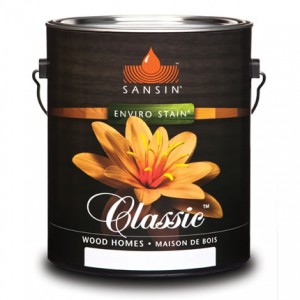
Timber Valley Cabins uses high-quality Sansin® stain for long-lasting beauty and protection.

Why does Timber Valley Cabins use Sansin® stain?
- Environmentally Friendly
- Easy Water Cleanup
- Low Odor
- Low VOC
- Large Selection of Colors Available
Timber Valley Cabins uses high-quality Sansin Enviro Stains, for long lasting beauty and protection, or your choice of stain.
Power Washing
Power washing is a highly effective and beneficial method for maintaining the appearance and longevity of your log home. Over time, logs accumulate dirt, pollen, mold, mildew, and environmental contaminants that can dull the wood’s natural beauty and compromise its integrity. Power washing removes these layers quickly and efficiently, restoring a clean, fresh surface and preparing the logs for staining or sealing.
One of the main benefits of power washing is that it helps prevent long-term damage. Mold and mildew can penetrate the wood if left untreated, leading to decay and rot. Power washing eliminates these threats before they have a chance to spread. Additionally, by removing old, peeling stain or sealant, it ensures that new finishes adhere properly and last longer.
Power washing also enhances the curb appeal of your log home. A freshly cleaned exterior makes a dramatic difference in how your home looks, often making it appear newer and better cared for. This is especially important if you’re considering selling your home or hosting guests.
However, it’s important that power washing is done correctly. Too much pressure or the wrong technique can damage the wood surface, forcing water into the logs and potentially causing more harm than good. For that reason, it’s best to hire professionals, like Timber Valley Cabins, experienced in log home care.
Overall, regular power washing is a simple yet powerful way to protect your investment, extend the life of your stain or sealant, and keep your log home looking its best year after year.
Timber Valley Cabins – Making Your Log Home Look Brand New Again!